The Role of 3D Visualization in Real Estate Marketing

Introduction

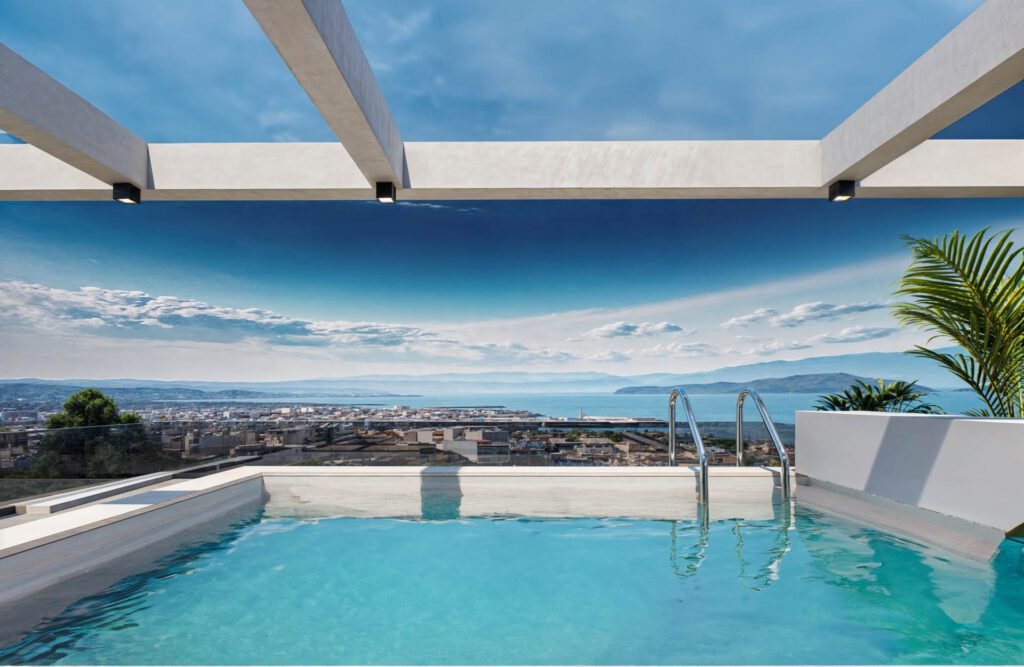
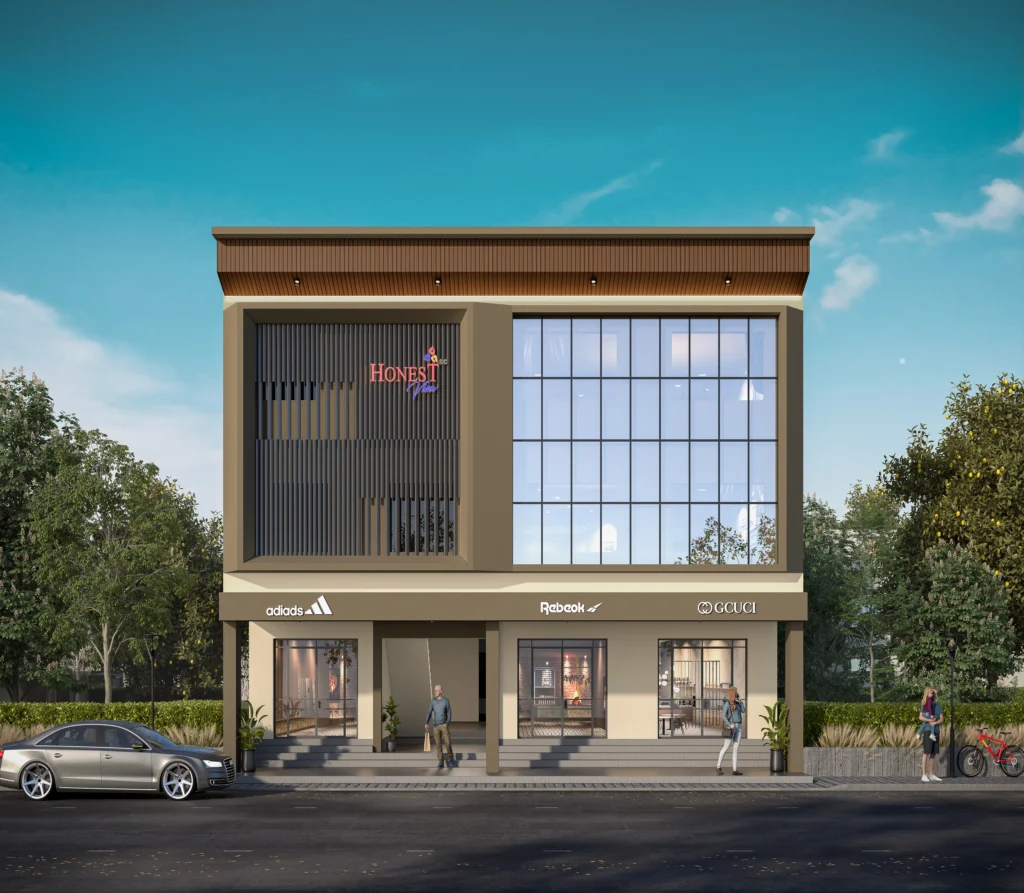
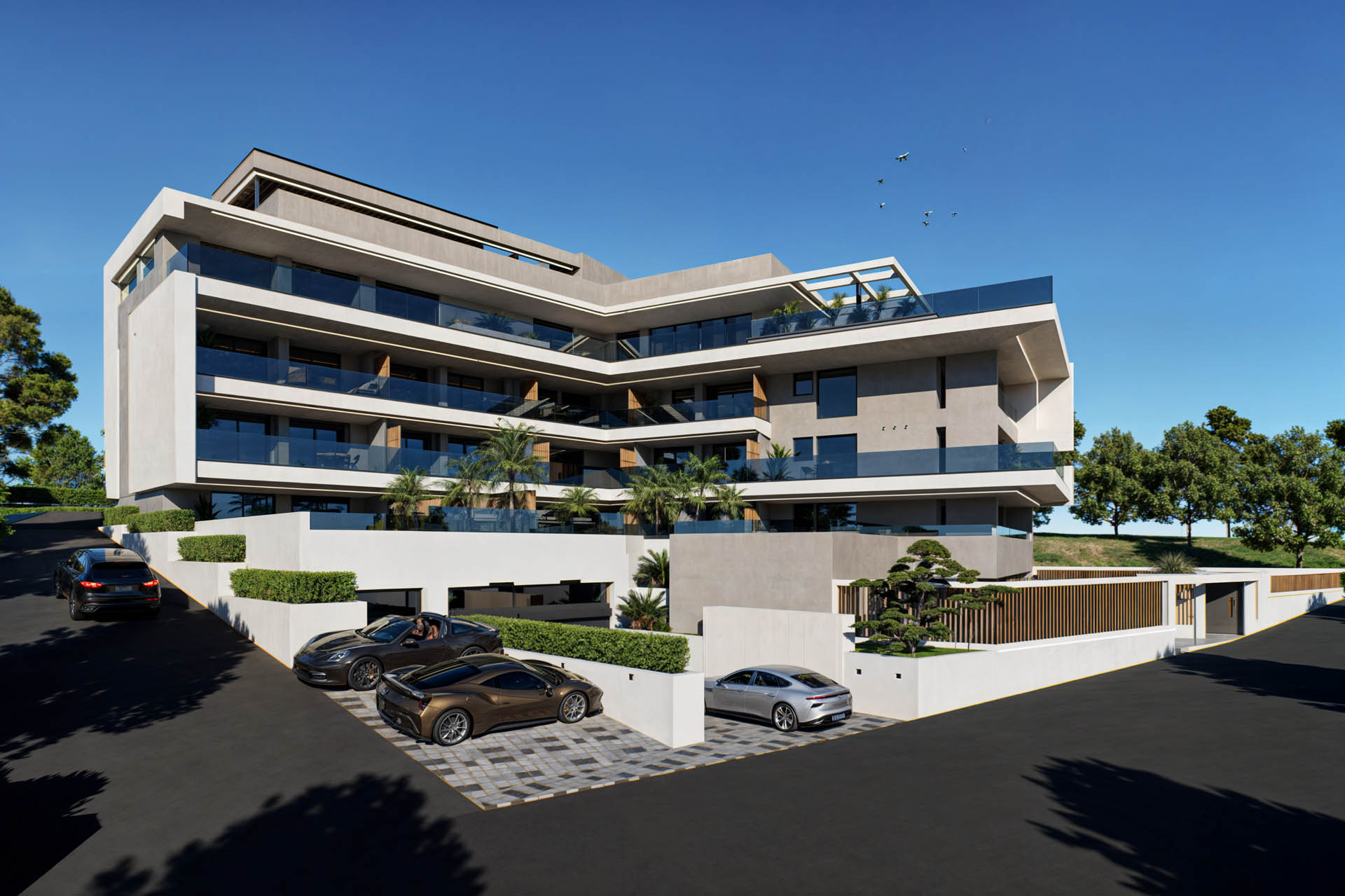
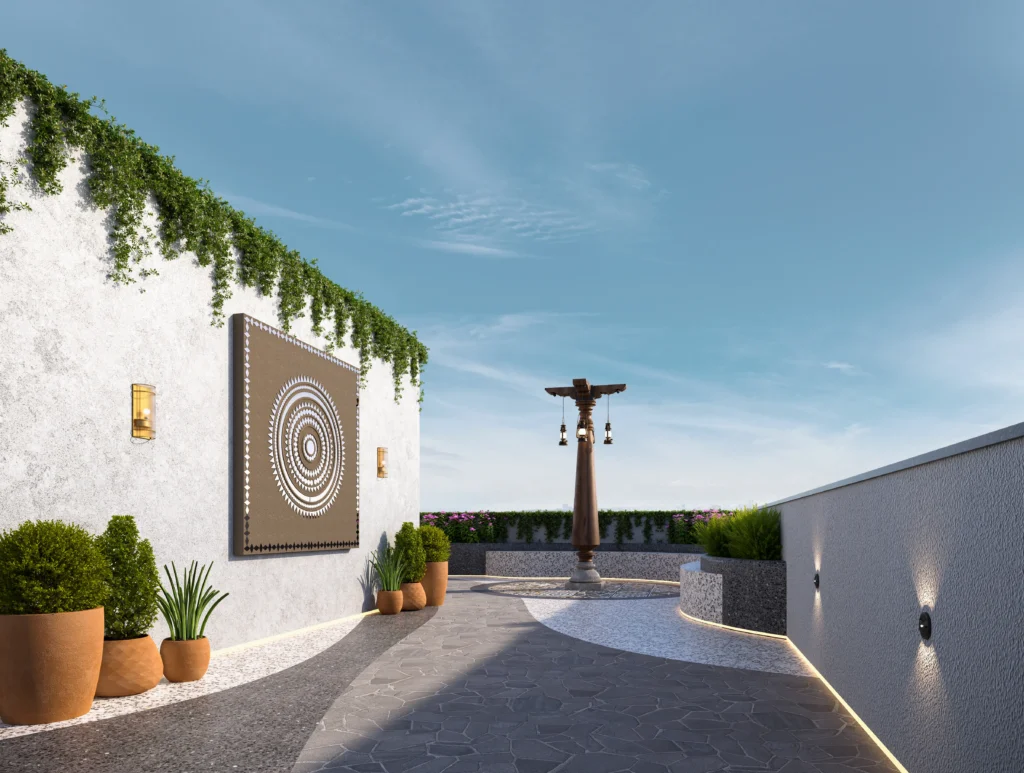
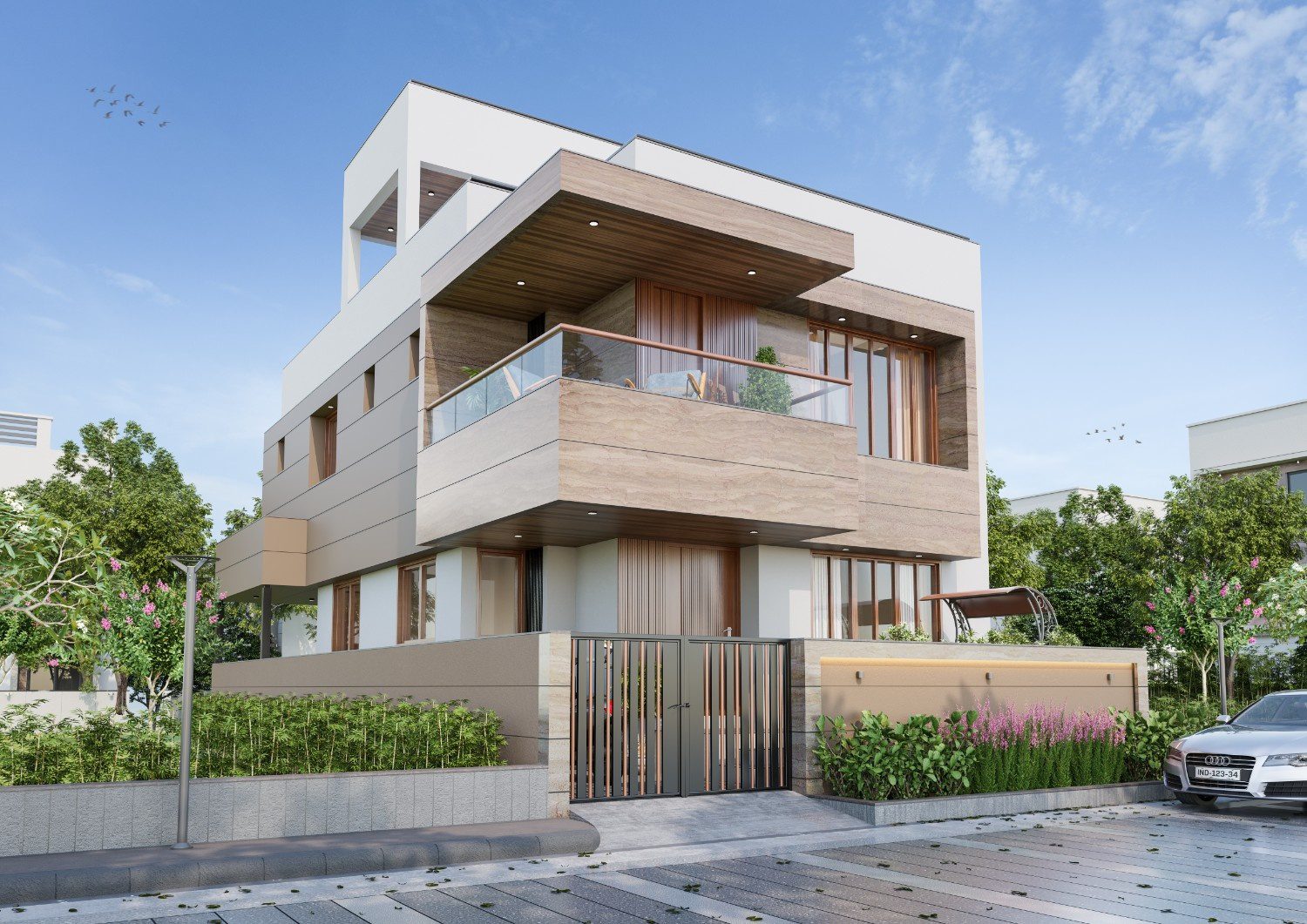
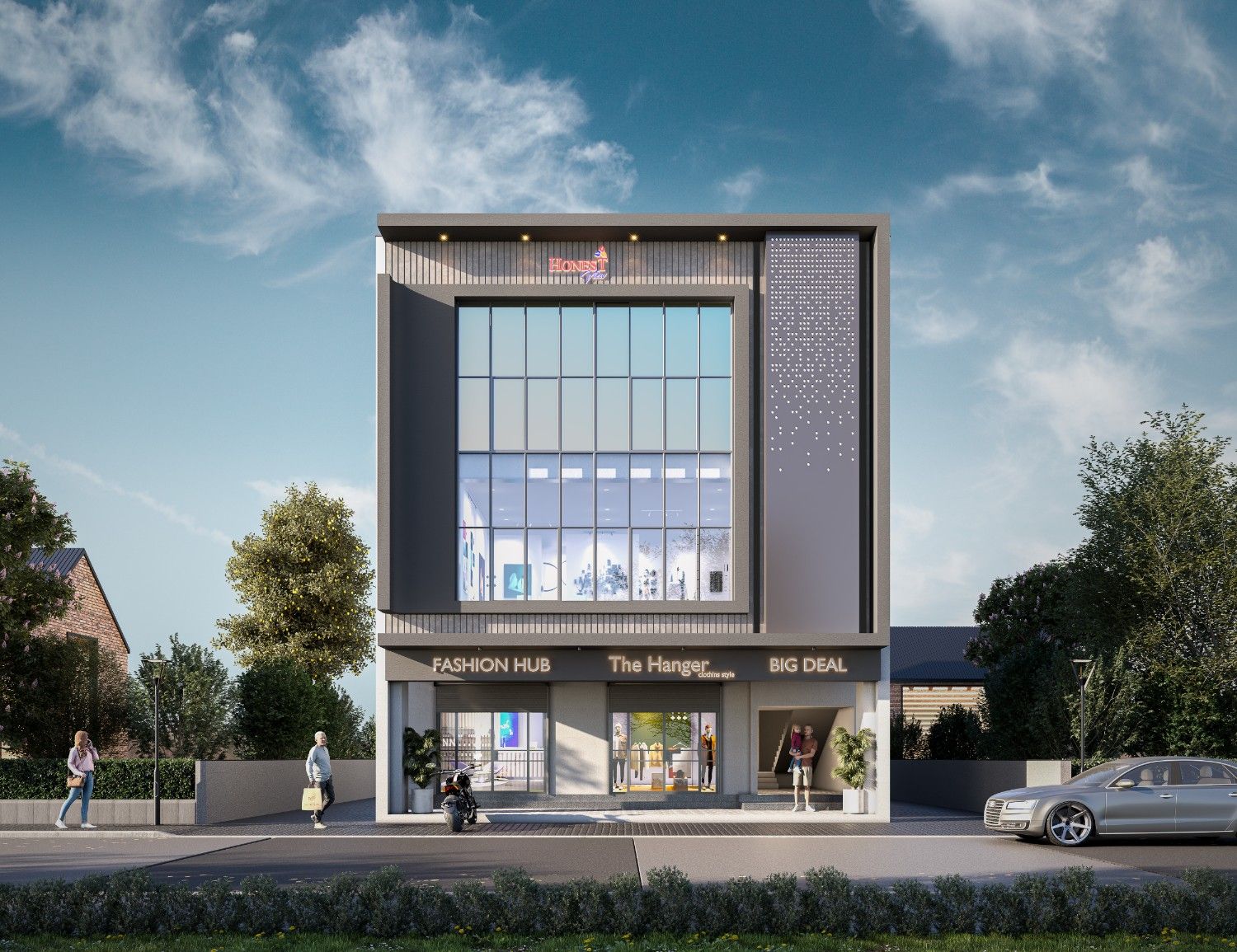
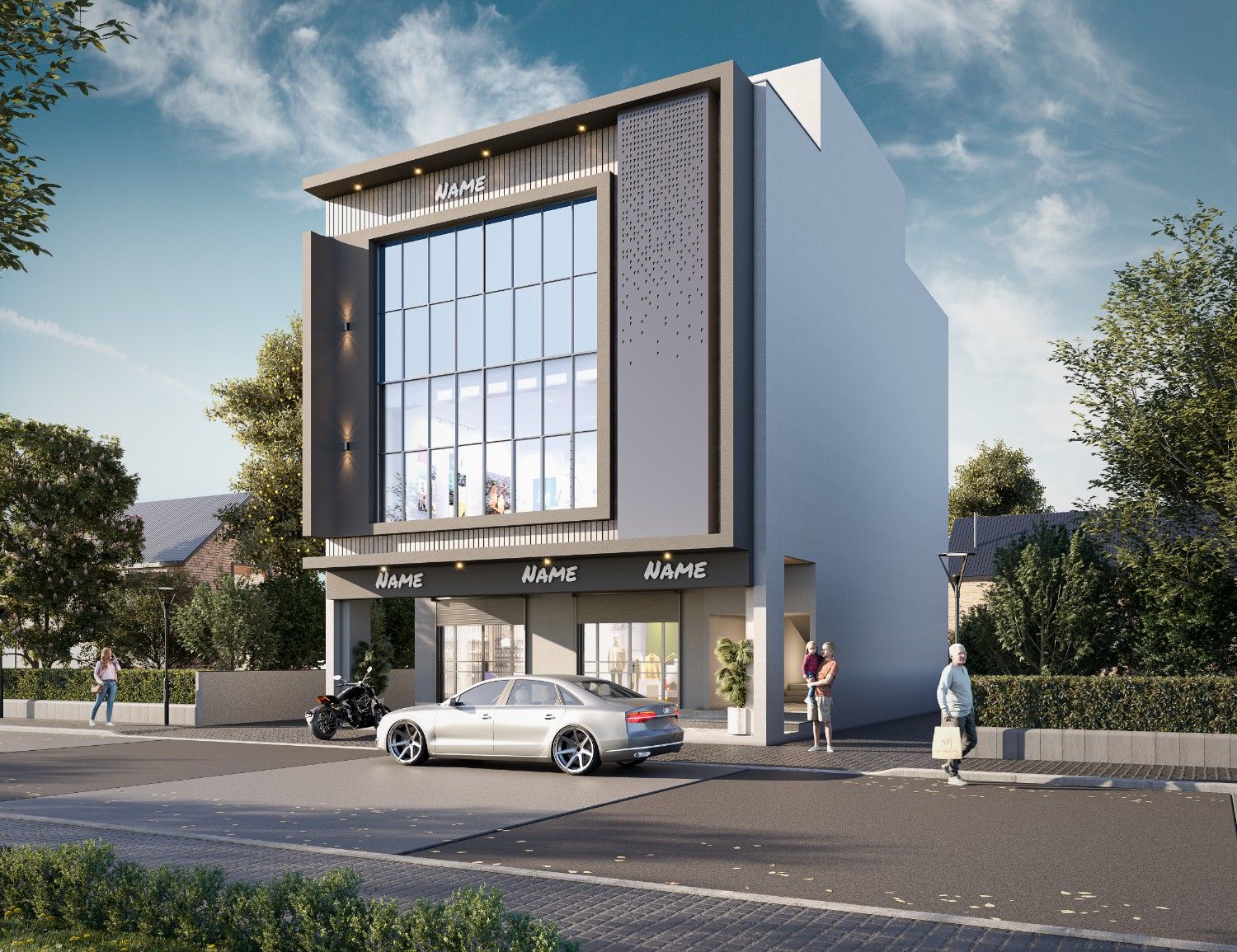
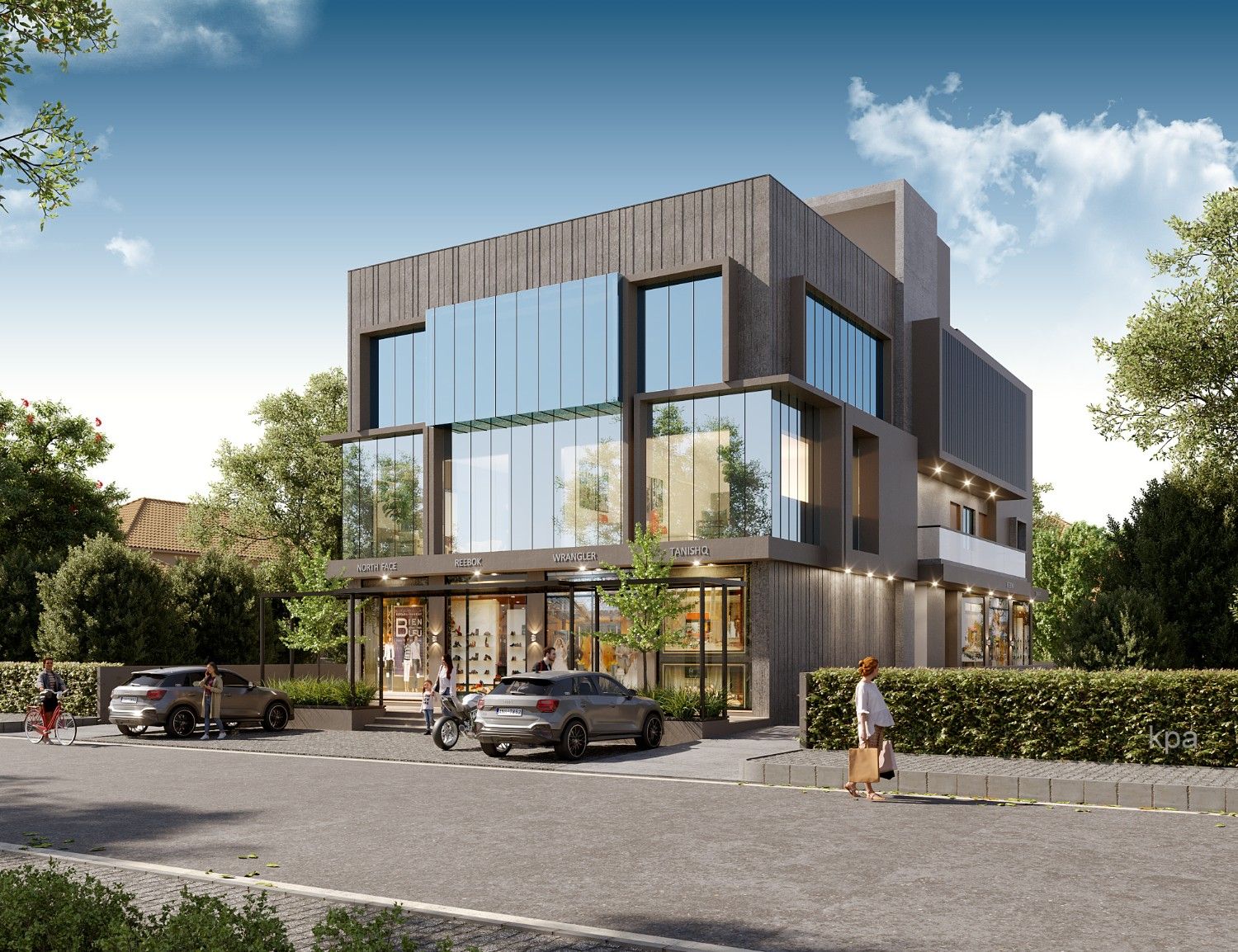
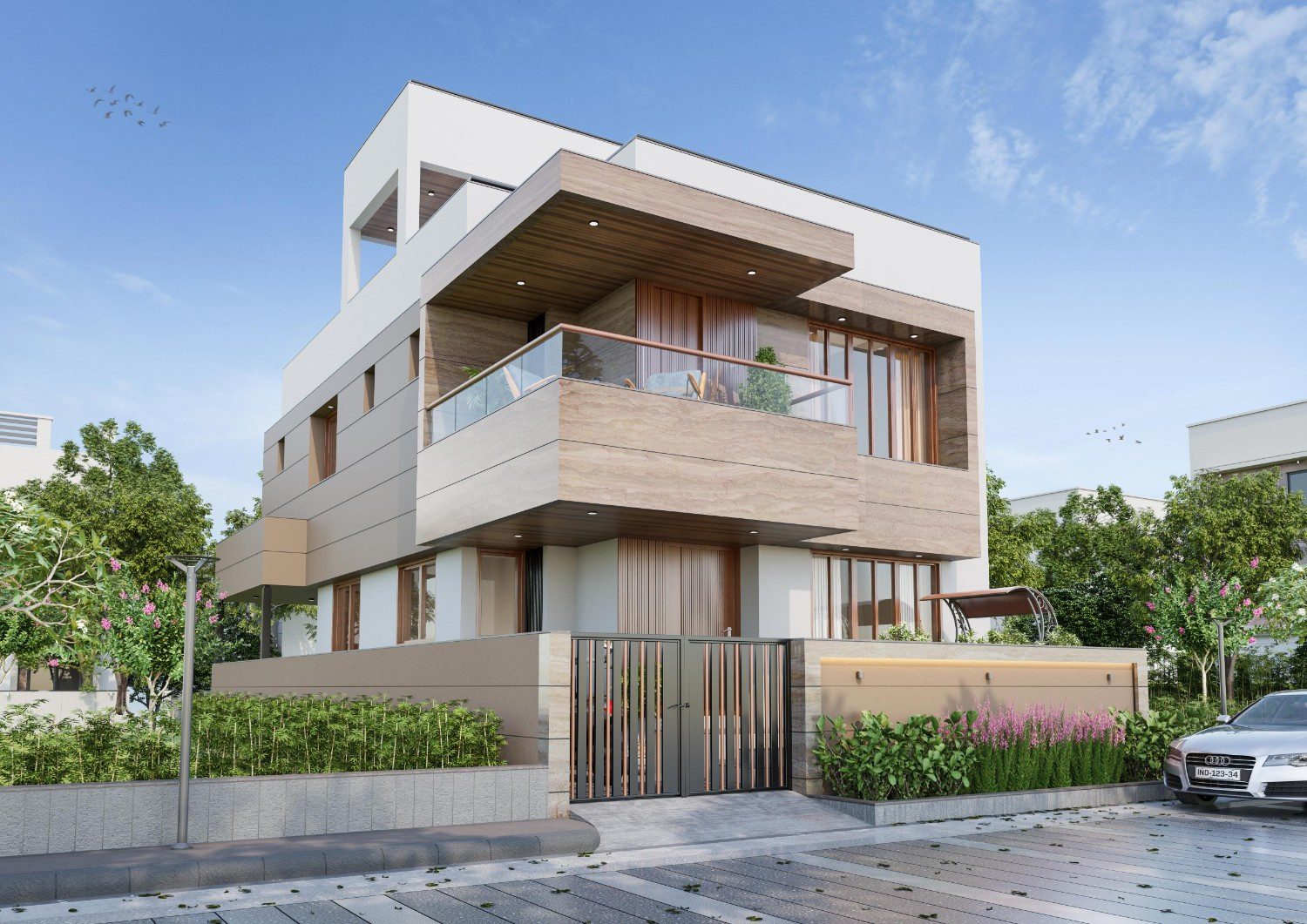
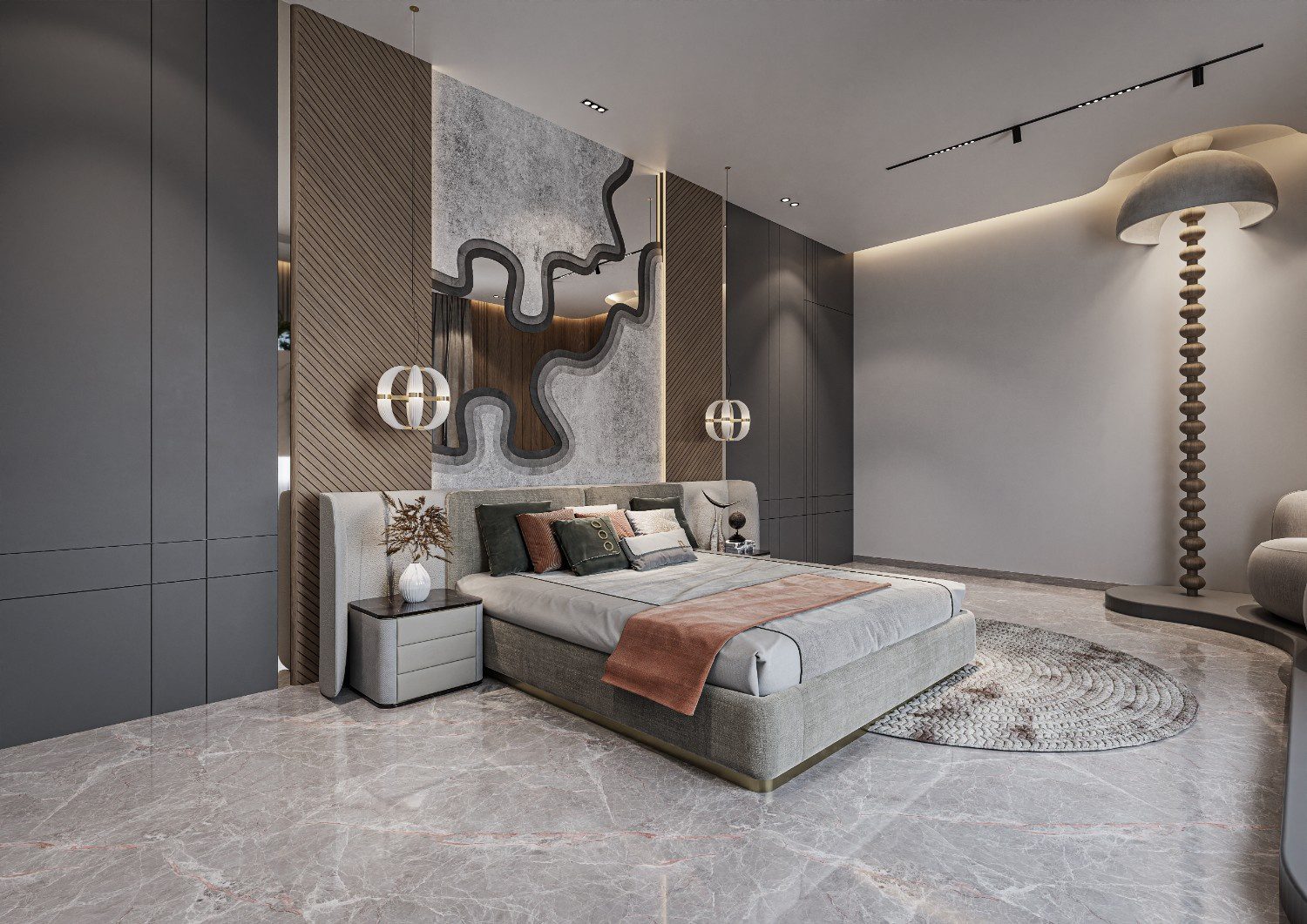
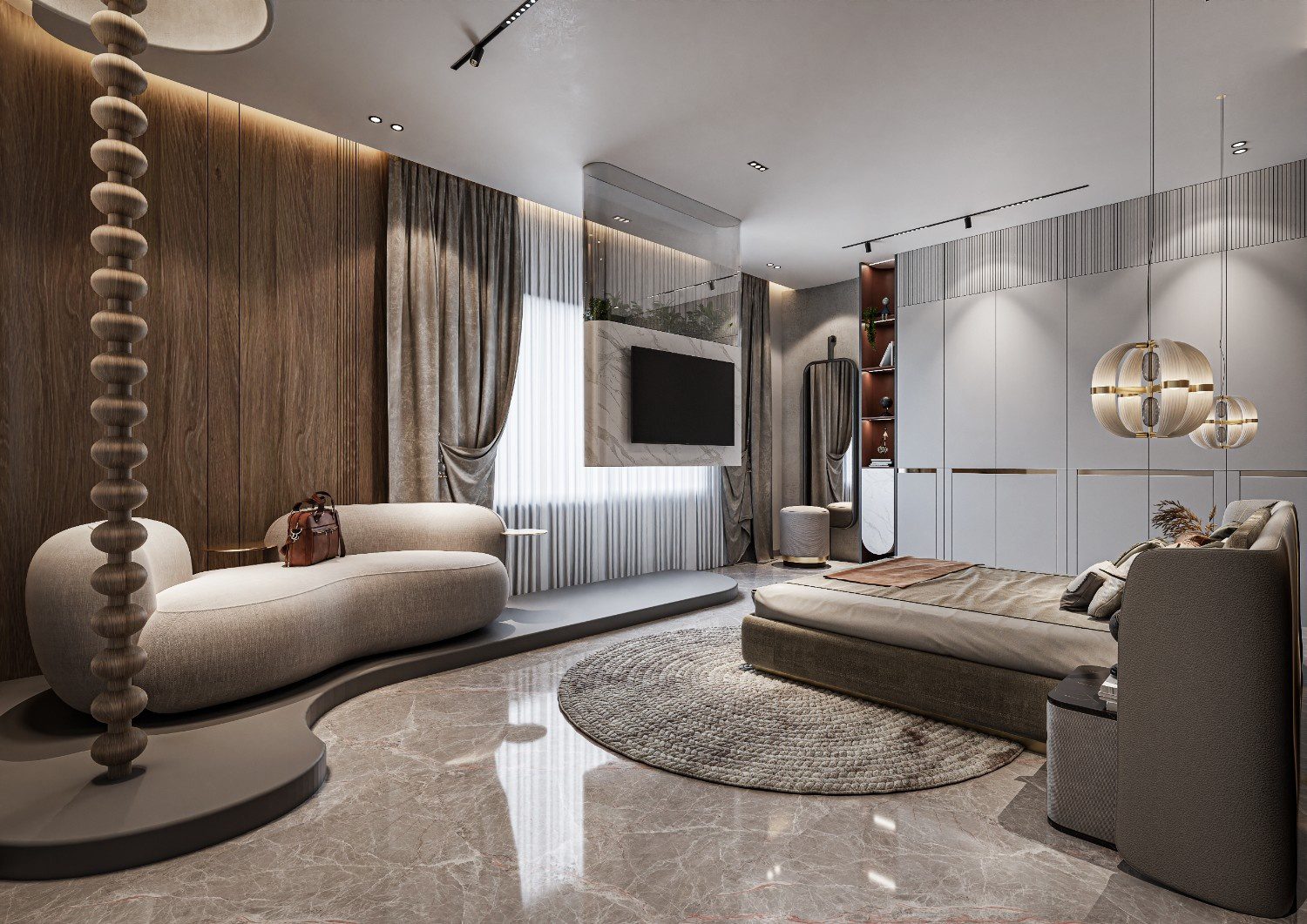
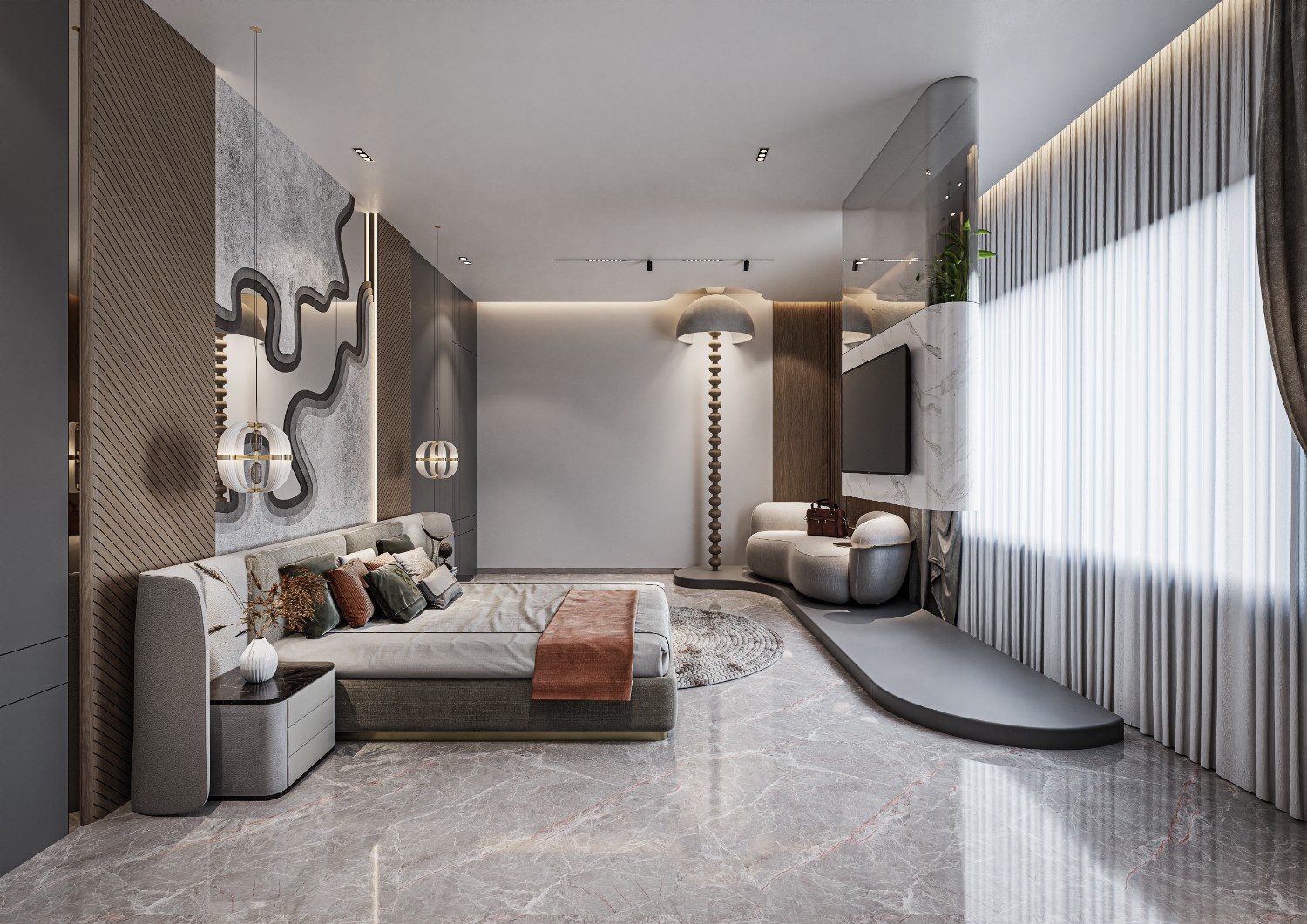
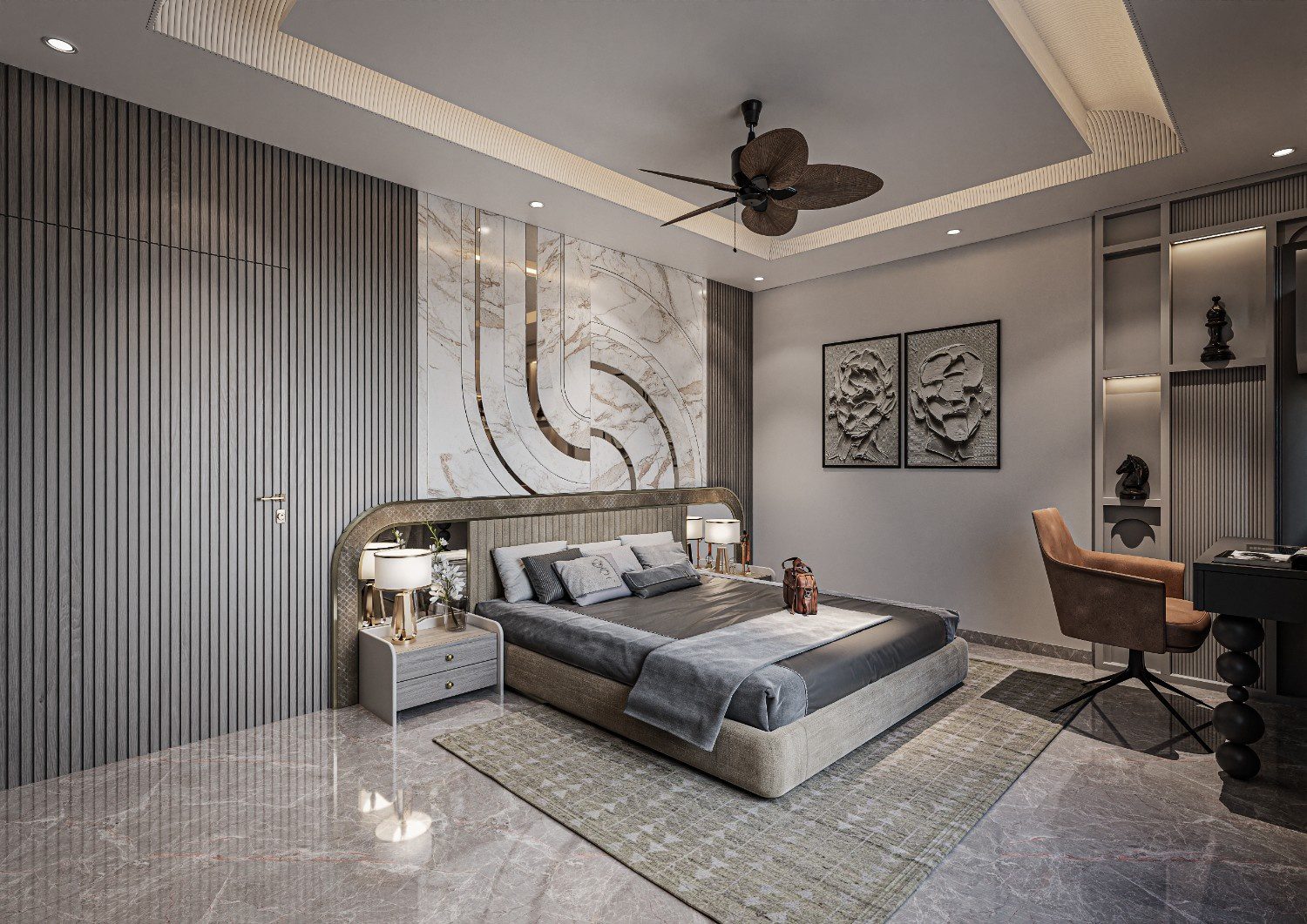
In real estate, first impressions matter. But how do you sell a property that doesn’t exist yet? The answer is 3D visualization. Developers worldwide use architectural renders and virtual tours to sell homes before construction even begins.
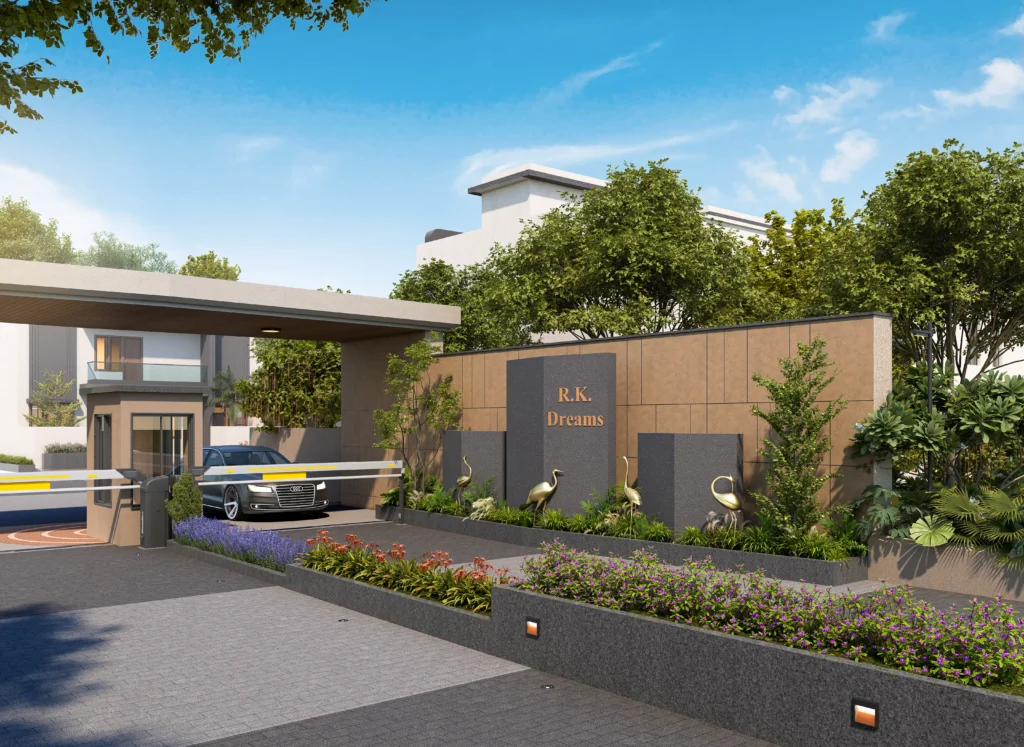

Why It Works for Real Estate

✔ Buyers see what they’re paying for
✔ Helps pre-sell units faster
✔ Reduces dependency on physical model homes


Benefits for Developers & Agents

  • Faster Sales: Pre-sell 70% of units with stunning renders
  • Better Marketing: Use visuals in brochures, ads, and websites
  • Virtual Walkthroughs: Let buyers explore the property remotely

The Psychology of Visualization

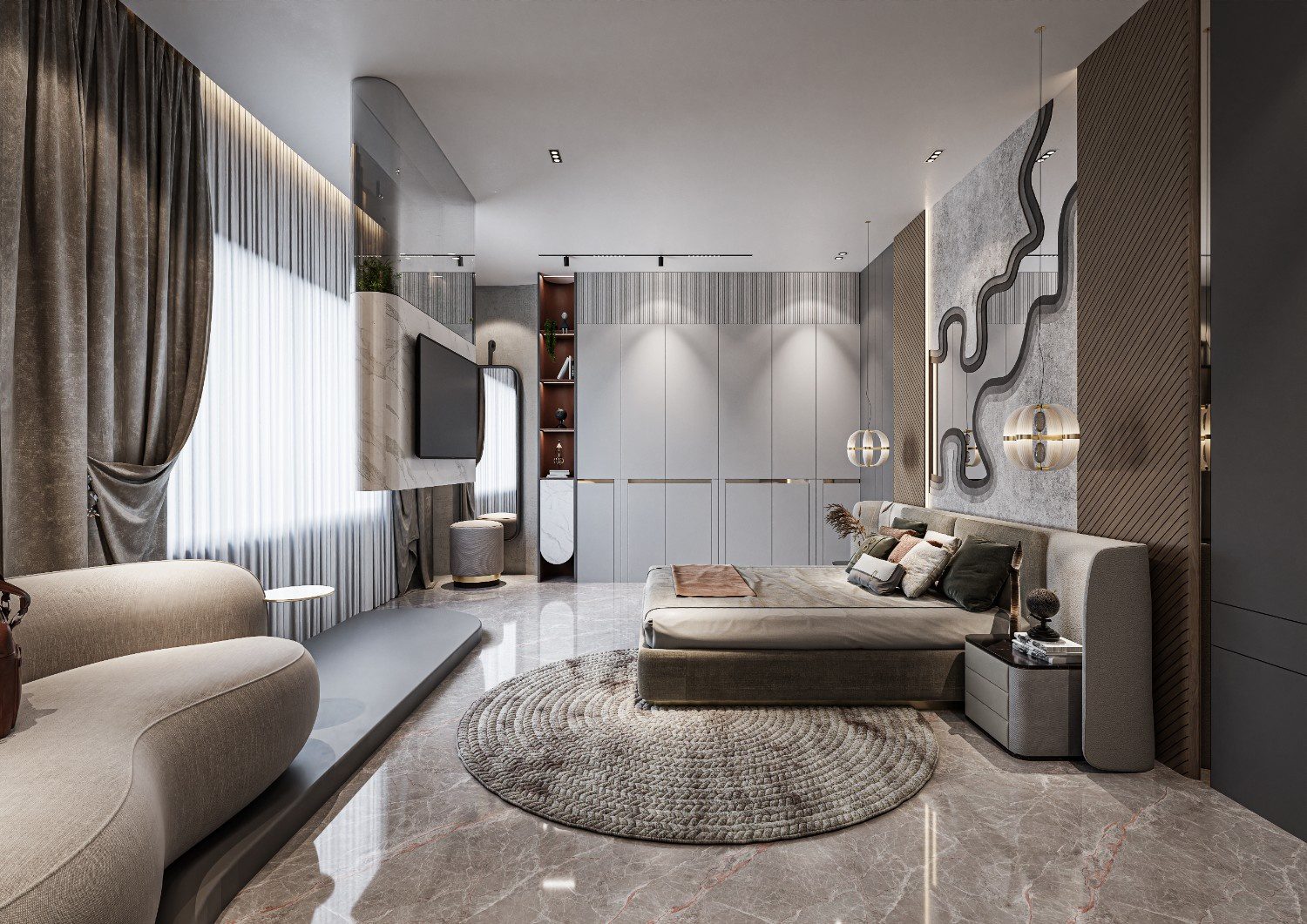
When buyers see their future home fully furnished with natural light and décor, they make emotional decisions faster.


Future Trends

With AR and VR integration, real estate marketing will become even more immersive, making 3D visualization a non-negotiable tool for developers.


Conclusion

If you’re in real estate, 3D renders are no longer optional—they’re essential for closing deals quickly.
(Looking to showcase your projects with world-class visuals? Start with photorealistic renders today.)


Word Count: ~1050
✔ SEO Keywords: 3D real estate rendering, architectural visualization, virtual property tours


Article 5: How 3D Rendering Brings Creative Ideas to Life for Global Brands

Introduction

Every brand has a vision, a story to tell. But how do you make that story visual, powerful, and unforgettable? This is where 3D rendering changes everything. From advertising campaigns to product launches, global brands are now using 3D visualization to create impactful, creative visuals.


Applications in Branding & Marketing

Advertising: Stunning visuals for billboards and digital ads
Social Media Content: Eye-catching renders that go viral
Product Launches: Concept-to-reality previews for investors
Brand Storytelling: Visual narratives that create emotional connection


Why Brands Choose 3D Rendering

  • No limits to creativity
  • Perfect for luxury branding
  • Cost-effective for big campaigns

Global Examples

Leading brands in fashion, automotive, and consumer electronics use 3D visualization in high-budget ad campaigns because it offers flexibility, realism, and impact.
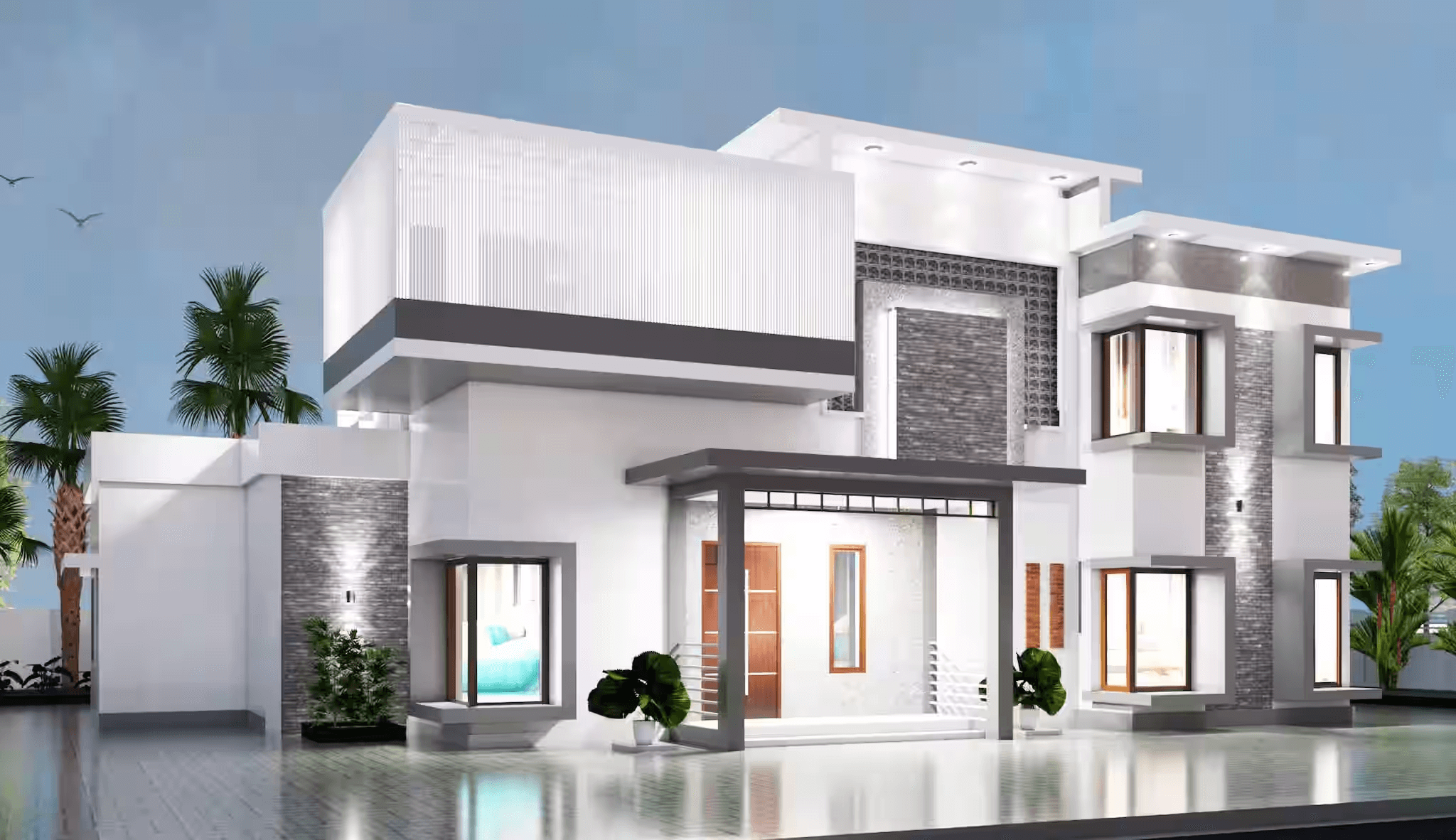
Product Modeling for E-commerce: Why Photorealistic Renders Sell More

Introduction

E-commerce is visual. Customers can’t touch or feel the product, so images do all the talking. This is why brands invest heavily in visual content. But traditional photography comes with challenges—high costs, time delays, and limited flexibility. The solution? 3D product modeling and rendering.

Photorealistic 3D renders are changing the way brands market their products online. Here’s why e-commerce companies worldwide are switching to 3D visualization.


Sharpview studio

1. Cost Efficiency

Physical prototypes and professional photoshoots cost thousands of dollars. 3D modeling eliminates that need, allowing you to create unlimited product variations digitally.


2. Faster Time-to-Market

Waiting for prototypes and photoshoots delays product launches. With 3D rendering, you can create visuals even before the product is manufactured, speeding up your marketing process.


3. Unlimited Customization

Want to show your product in 10 colors and 3 finishes? 3D renders make it possible with a few clicks, without reshooting.


4. Perfect Lighting & Detailing

Unlike photography, 3D rendering gives you full control over lighting, shadows, reflections, and angles. The result? Stunning, high-quality visuals every time.


5. Enhanced Customer Experience

Photorealistic renders build trust. They allow customers to zoom, rotate, and view products from all angles—just like in real life.


Case Study

Top global brands in fashion, electronics, and home décor now use 3D product visualization for online listings and advertising campaigns.

Top 5 Benefits of Using 3D Visualization for Interior Design Projects


Introduction

Interior design has always been about creativity, aesthetics, and comfort. But in today’s competitive world, creativity alone is not enough. Clients want clarity—they want to see their dream space before a single tile is placed or a wall is painted. This is where 3D visualization becomes a designer’s best friend.

With photorealistic renders, interior designers can present spaces with perfect details, from furniture layouts to lighting and textures. Let’s explore the top five reasons why 3D visualization is transforming interior design globally.


1. Realistic and Detailed Presentations

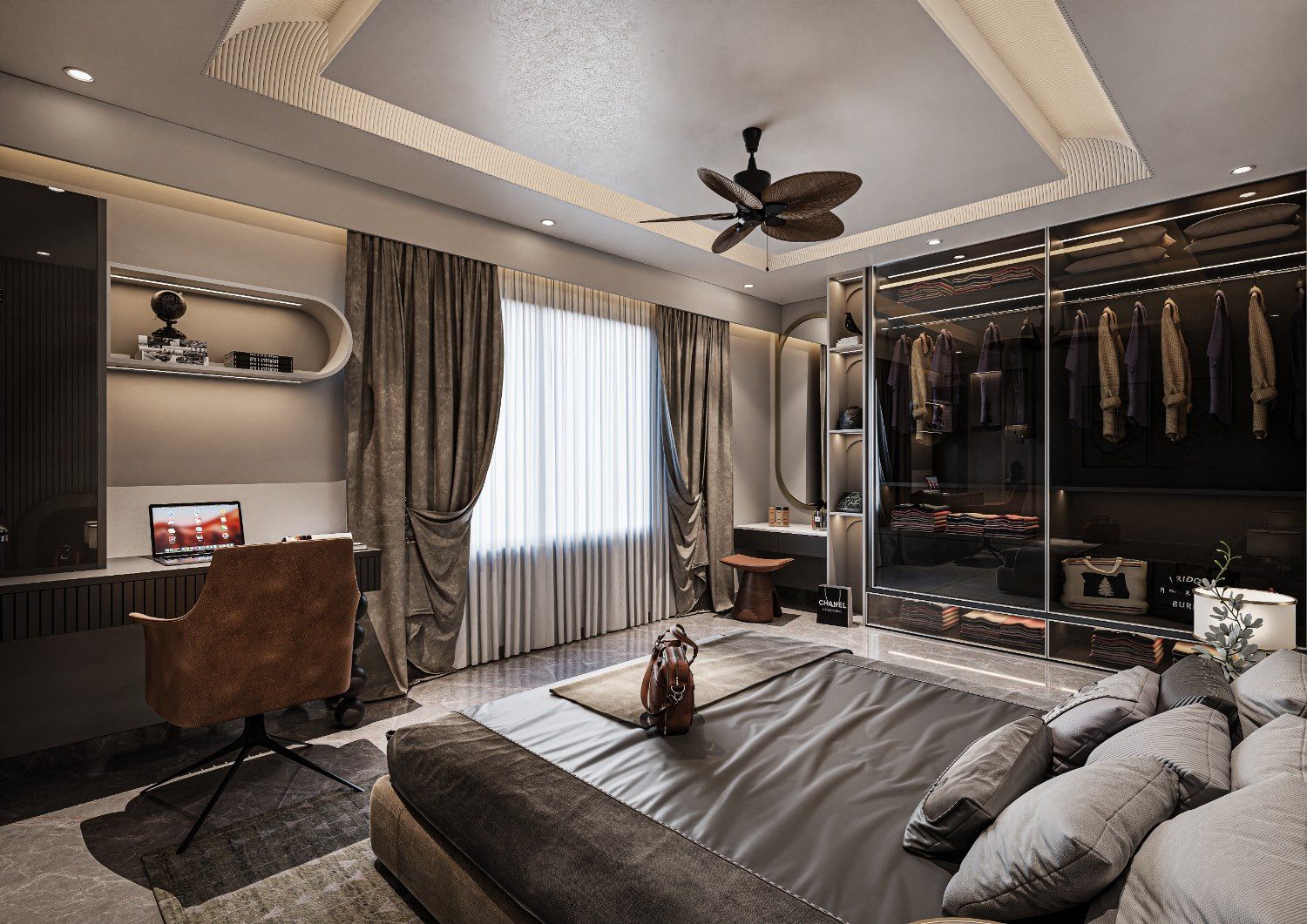
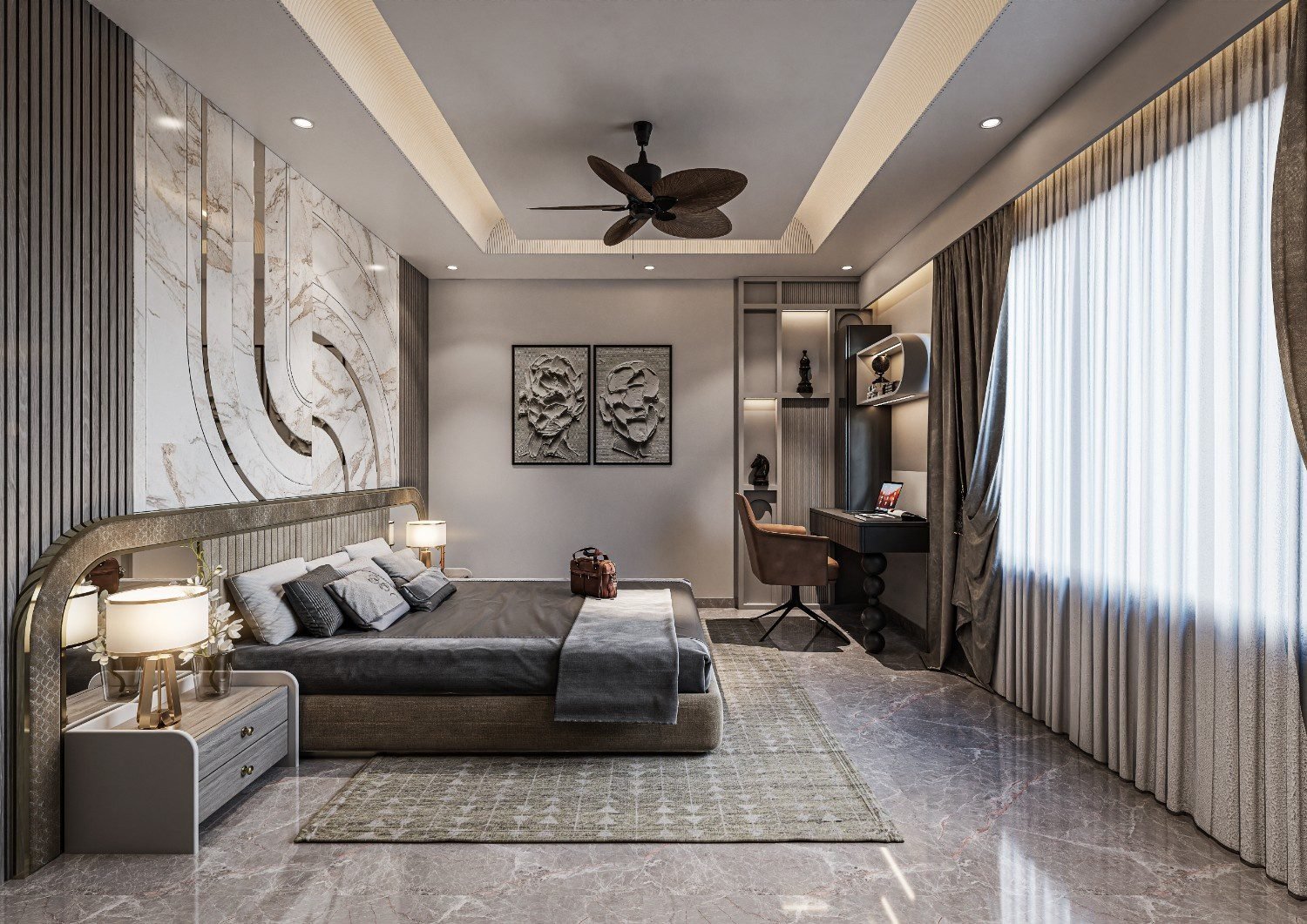
Gone are the days when designers relied on mood boards or hand sketches. 3D renders showcase the entire room with real textures, lighting, and color schemes. Clients don’t have to imagine—they can see the final design.

Example: Instead of explaining “this sofa will look good near the window,” you can show the exact view of the sofa with realistic lighting and shadows.


2. Faster Client Decisions

Clients often struggle to visualize spaces from 2D plans. This leads to confusion, delays, and endless revisions. With 3D visualization, clients can make quick and confident decisions because they see the complete design upfront.


3. Cost-Effective Design Process

Every change during implementation costs money. 3D renders allow changes in the digital stage, avoiding expensive on-site modifications. This saves both time and resources for designers and clients.


4. Stronger Client Engagement

When clients see their ideas come to life visually, they feel excited and emotionally connected. This engagement not only builds trust but also helps designers close deals faster.


5. Powerful Marketing Tool for Designers

High-quality renders look stunning in portfolios, websites, and social media campaigns. Many interior designers attract premium clients just by showcasing beautiful 3D visuals online.


Bonus Benefit: Virtual Reality Integration

The future of interior design visualization is even more exciting with VR walkthroughs. Imagine letting your client walk inside their future living room before construction starts!

Why 3D Rendering is the Future of Architecture & Design

Introduction

The design and construction industry has evolved dramatically over the last decade. Clients no longer settle for rough sketches or 2D blueprints. They expect realistic, immersive experiences before investing their time and money in a project. This demand has given rise to a powerful tool: 3D rendering and visualization.

Whether it’s architecture, interior design, or real estate, 3D rendering has become an industry standard, helping businesses communicate ideas clearly, attract clients, and minimize costly errors. In this blog, we will explore why 3D rendering is not just a trend but the future of design worldwide.


What is 3D Rendering and Why Does It Matter?

3D rendering is the process of creating lifelike images from 3D models using advanced computer graphics. It brings abstract concepts and technical designs to life, giving clients a photorealistic preview of their projects before construction begins.

For architects and designers, this means:
✔ No more guesswork
✔ Faster approvals
✔ Improved client satisfaction

For clients, it builds confidence and trust, ensuring they know exactly what to expect.


Top Benefits of 3D Rendering for Architecture & Design

1. Clear Client Communication

Traditional blueprints can be confusing for clients who are not technically skilled. 3D renders eliminate that confusion by presenting the project in a visually understandable way.

Example: Instead of explaining where a window will be or how the lighting will feel, you can show it in a 3D render with realistic lighting and materials.


2. Faster Approvals and Decision Making

Time is money in the construction industry. With realistic renders, clients approve designs faster because they see exactly what they are getting.

Fact: Companies using 3D visualization reduce project approval time by 40%.


3. Cost Efficiency and Error Prevention

Changes during construction are expensive. 3D visualization allows detecting design issues early, saving both time and resources.


4. Marketing Advantage

High-quality 3D renders are not just design tools—they’re powerful marketing assets. They make your portfolio stand out, impress clients on social media, and help real estate developers sell properties before they are built.


Where 3D Rendering is Making the Biggest Impact

Architecture & Real Estate: Developers pre-sell homes using realistic 3D visuals.
Interior Design: Designers showcase room layouts, furniture, and lighting in detail.
Product Design: Brands use 3D models for e-commerce and advertising without expensive photo shoots.


Global Trend: Why It’s Becoming an Industry Standard

Top companies across Europe, USA, and Asia now rely on 3D visualization for client presentations and marketing campaigns. With VR and AR integration, the future is even more immersive.

“The Power of 3D Visualization: How Realistic Designs Are Changing Industries”


Introduction

In today’s fast-paced design world, visualization is no longer a luxury – it’s a necessity. Whether you’re an architect, an interior designer, or a product manufacturer, your ideas need to speak before they’re built. This is where 3D rendering and visualization are revolutionizing the game, helping businesses communicate their concepts clearly, attract clients, and make better decisions before execution.

But what makes this technology so powerful? And why are more professionals turning towards photorealistic renders? Let’s explore.


Why 3D Visualization Is a Game Changer

Imagine trying to explain a design through sketches or blueprints. It works—but only to a point. Today’s clients expect clarity, detail, and a real-life view of what they are investing in. This is exactly what 3D visualization offers:

Better Client Understanding – A visual representation eliminates confusion and builds trust.
Faster Decision Making – Clients can approve designs quickly when they see realistic renders.
Cost & Time Savings – Detecting design issues early avoids expensive mistakes later.


Where It Makes the Biggest Impact

  • Architecture & Real Estate: Sell properties even before they are built.
  • Interior Design: Showcase spaces with lighting, materials, and textures that feel real.
  • Product Design & E-commerce: Display products from every angle with lifelike detail.

The Creative Approach Matters

While technology is important, creativity plays an even bigger role. Every project needs a unique perspective, attention to detail, and an artistic touch to make it stand out. That’s why working with the right visualization partner can make all the difference.


A Real-World Example

Recently, a real estate project we worked on transformed the way buyers saw the property. Instead of waiting for construction to finish, high-quality 3D renders allowed them to experience the entire space virtually. This didn’t just impress clients—it helped the developer sell faster and with confidence.


Looking Ahead

3D visualization is no longer the future—it’s the present. From concept approvals to marketing strategies, realistic renders have become a key tool for designers and brands. The question is: Are you leveraging this power for your projects?

What is 3D Rendering? A Beginner’s Guide to Stunning Visualizations

In today’s digital era, visual content is king, and 3D rendering is the silent powerhouse driving some of the most stunning visuals we encounter daily. Whether you’re an architect, a game developer, or a product designer, 3D rendering is transforming how ideas are presented and experienced. Let’s delve into the basics of 3D rendering, its applications, and the tools that make it possible.

What is 3D Rendering?

3D rendering is the process of converting a three-dimensional digital model into a 2D image or animation. It’s like photographing a virtual object or scene. Using specialized software, designers and artists create lifelike images that mimic the physical appearance of objects, including their textures, lighting, shadows, and reflections.

The goal of 3D rendering is to produce visuals that are so realistic they are almost indistinguishable from real-world photographs.


Where is 3D Rendering Used?

3D rendering has widespread applications across various industries. Here are some key areas where it plays a crucial role:

1. Architecture and Interior Design

Architects and designers use 3D rendering to create photorealistic visuals of buildings and interiors. These visuals help clients visualize the project before construction begins, saving time and costs. Rendered images can showcase details like lighting effects, materials, and spatial arrangements.

2. Gaming and Entertainment

In the gaming industry, 3D rendering is a cornerstone for creating immersive environments, characters, and animations. Movies and TV shows also leverage rendering to produce stunning visual effects and CGI (Computer-Generated Imagery).

3. Product Design and Marketing

From automotive designs to consumer products, 3D rendering allows designers to present prototypes and concepts in a visually appealing way. In e-commerce, high-quality renders replace traditional photography to showcase products from multiple angles.

4. Healthcare and Education

3D rendering helps create accurate models for medical training, surgical simulations, and educational content. It allows professionals and students to visualize complex structures like the human body or molecular models.

5. Real Estate

In real estate, 3D rendered walkthroughs and images enable potential buyers to explore properties virtually, providing a realistic sense of space and design.


Popular Tools for 3D Rendering

The tools used for 3D rendering are as diverse as the industries they serve. Here are some of the most popular ones:

1. Blender

Blender is a free and open-source 3D rendering software known for its versatility. It’s widely used for animation, visual effects, and game development.

2. Autodesk 3ds Max

A go-to tool for architects and designers, 3ds Max offers advanced rendering capabilities and integration with architectural design workflows.

3. Maya

Autodesk Maya is popular in the film and gaming industries for creating detailed animations and visual effects.

4. V-Ray

V-Ray is a rendering engine that integrates with other 3D modeling software like SketchUp and 3ds Max. It’s renowned for its photorealistic results.

5. Cinema 4D

Cinema 4D is favored by motion graphics artists and is often used for creating animations and dynamic visual content.

6. KeyShot

KeyShot is ideal for product rendering due to its easy-to-use interface and real-time rendering capabilities.


Why is 3D Rendering Important?

3D rendering bridges the gap between imagination and reality. It allows creators to present their ideas in a visually compelling manner, enabling better communication, faster decision-making, and a deeper emotional connection with the audience. Businesses, especially those in design and marketing, benefit greatly from the ability to showcase their products and services in a polished, professional way.


Conclusion

3D rendering is revolutionizing how we visualize and interact with ideas. Its applications are vast, from architecture to gaming and beyond. By using cutting-edge tools and techniques, 3D rendering transforms concepts into breathtaking visuals that captivate and inspire. If you’re looking to enhance your projects with stunning 3D renderings, Sharpview Studio is here to bring your visions to life.

Ready to transform your ideas into reality? Contact Sharpview Studio today and let us create visuals that leave a lasting impression!

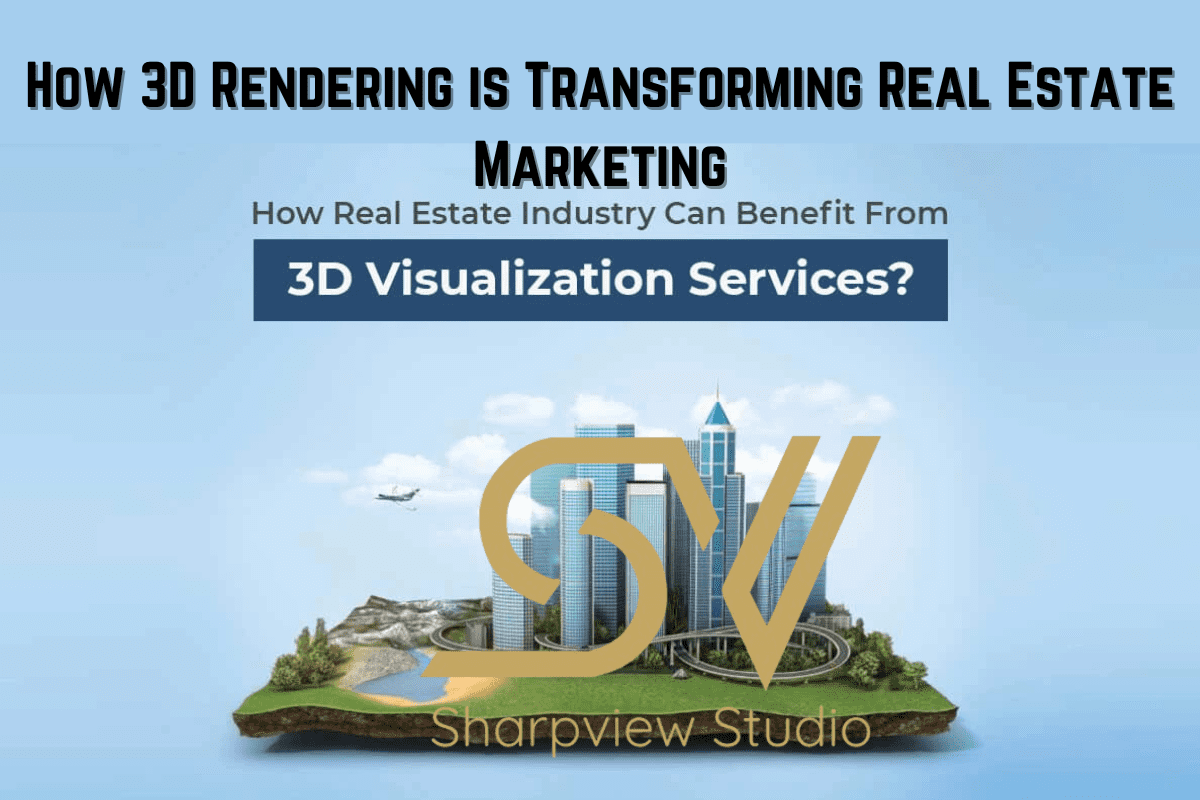
How 3D Rendering is Transforming Real Estate Marketing

How 3D Rendering is Transforming Real Estate Marketing

In the competitive real estate market, captivating visuals are no longer a luxury—they’re a necessity. Traditional photography and blueprints are being replaced by cutting-edge 3D rendering techniques that bring properties to life like never before. Let’s explore how this technology is reshaping the way real estate is marketed and why it’s a game-changer for developers, agents, and buyers alike.

1. Realistic Property Visualizations

Gone are the days of trying to imagine how a property might look based on sketches or floor plans. 3D rendering creates lifelike images that provide a clear, detailed view of the property. Whether it’s an empty plot or a fully developed apartment, potential buyers can see every angle, texture, and design element with stunning accuracy.

Example: A 3D rendered image of an unfinished apartment can showcase how it will look when completed, including furniture placement, lighting, and decor.

2. Virtual Property Tours

With 3D visualization, buyers no longer need to visit properties physically. Virtual tours powered by 3D rendering allow them to explore homes and commercial spaces from the comfort of their couch. This not only saves time but also widens the reach for international buyers.

Pro Tip: Incorporate interactive elements in your virtual tours, such as clickable features or customizable furniture layouts, to enhance user engagement.

3. Faster Sales Cycle

Buyers often hesitate due to a lack of clarity about the final product. 3D renderings eliminate uncertainty by providing a vivid, accurate preview. This clarity builds trust and speeds up decision-making, resulting in quicker sales for developers and agents.

4. Cost-Effective Marketing

Hiring a professional photographer and staging properties can be expensive, especially for multiple listings. 3D rendering is a cost-effective alternative that delivers high-quality visuals without the need for physical staging. Additionally, once a 3D model is created, it can be reused for various purposes, from brochures to website banners.

5. Enhanced Buyer Engagement

Engaging buyers in today’s digital-first world requires innovative strategies. 3D visuals stand out in crowded markets by offering an immersive experience. Buyers are more likely to remember a property they’ve explored through a detailed 3D walkthrough than a simple image gallery.


Why Choose Sharpview Studio for 3D Rendering?

At Sharpview Studio, we specialize in creating stunning 3D renderings tailored to your real estate needs. Our expert team transforms your architectural visions into compelling visuals that attract buyers and close deals faster.

Services We Offer:

  • High-quality interior and exterior 3D rendering
  • Interactive 3D walkthroughs
  • Customizable property visualizations
  • Fast delivery with unparalleled attention to detail

Boost Your Real Estate Marketing Today!

Don’t let outdated visuals hold you back. Elevate your property listings with the power of 3D rendering and stay ahead in the competitive real estate market.

👉 Contact Us Now for a free consultation and take your real estate marketing to the next level!

Need Help?
YouTube
YouTube
Instagram
Telegram