
Why 3D Rendering is the Future of Architecture & Design
Introduction
The design and construction industry has evolved dramatically over the last decade. Clients no longer settle for rough sketches or 2D blueprints. They expect realistic, immersive experiences before investing their time and money in a project. This demand has given rise to a powerful tool: 3D rendering and visualization.
Whether it’s architecture, interior design, or real estate, 3D rendering has become an industry standard, helping businesses communicate ideas clearly, attract clients, and minimize costly errors. In this blog, we will explore why 3D rendering is not just a trend but the future of design worldwide.
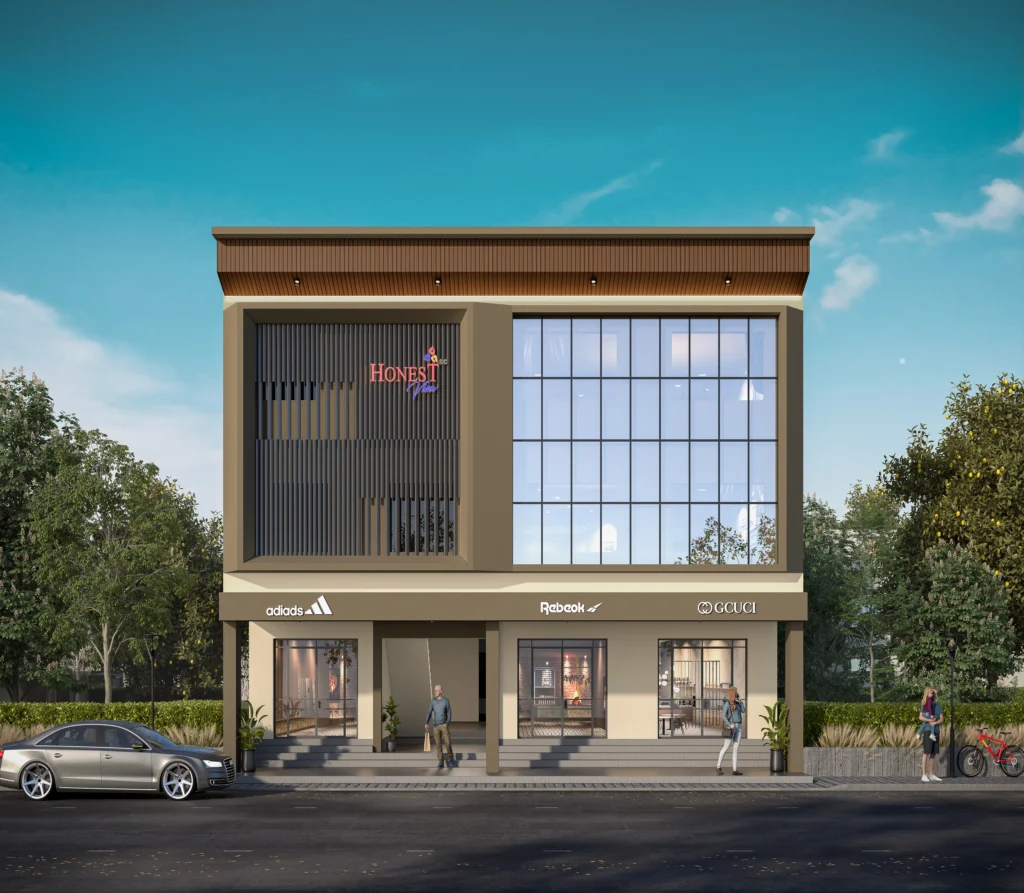
What is 3D Rendering and Why Does It Matter?
3D rendering is the process of creating lifelike images from 3D models using advanced computer graphics. It brings abstract concepts and technical designs to life, giving clients a photorealistic preview of their projects before construction begins.
For architects and designers, this means:
✔ No more guesswork
✔ Faster approvals
✔ Improved client satisfaction
For clients, it builds confidence and trust, ensuring they know exactly what to expect.
Top Benefits of 3D Rendering for Architecture & Design
1. Clear Client Communication
Traditional blueprints can be confusing for clients who are not technically skilled. 3D renders eliminate that confusion by presenting the project in a visually understandable way.
Example: Instead of explaining where a window will be or how the lighting will feel, you can show it in a 3D render with realistic lighting and materials.
2. Faster Approvals and Decision Making
Time is money in the construction industry. With realistic renders, clients approve designs faster because they see exactly what they are getting.
Fact: Companies using 3D visualization reduce project approval time by 40%.
3. Cost Efficiency and Error Prevention
Changes during construction are expensive. 3D visualization allows detecting design issues early, saving both time and resources.
4. Marketing Advantage
High-quality 3D renders are not just design tools—they’re powerful marketing assets. They make your portfolio stand out, impress clients on social media, and help real estate developers sell properties before they are built.
Where 3D Rendering is Making the Biggest Impact
✔ Architecture & Real Estate: Developers pre-sell homes using realistic 3D visuals.
✔ Interior Design: Designers showcase room layouts, furniture, and lighting in detail.
✔ Product Design: Brands use 3D models for e-commerce and advertising without expensive photo shoots.
Global Trend: Why It’s Becoming an Industry Standard
Top companies across Europe, USA, and Asia now rely on 3D visualization for client presentations and marketing campaigns. With VR and AR integration, the future is even more immersive.






Leave a Reply